
We compared treated and untreated crates on our Autumn Sun peach line over three consecutive pack cycles. Treated crates repeatedly arrived at the distribution center with two to three fewer rejection flags. That reduced markdown inventory at our retail partner.
Post-Harvest Preservation
Margin slips before produce leaves the dock.
Ecogear's food-safe coating adds 5 to 8 extra shelf days. AI guides packing teams on which crates to treat first, and when.
5-8
Shelf days added per treated crate
Pilot data
30%+
Average waste cut in early-access facilities
Early-access results
4
Supported crop types
Stone fruit, citrus, pome, tropical
The Problem
Post-harvest loss is about timing, not storage.
Industry estimates put fresh-produce losses at 10 to 40 percent, shaped by crop and handling. Much occurs between harvest and the first retailer shelf scan, not in storage.
The 18 to 72 hours after packing bring faster respiration, moisture loss, and rising microbial activity. Ecogear targets this span with a coating that slows biology and AI that flags the crates needing treatment most urgently.
See Our Approach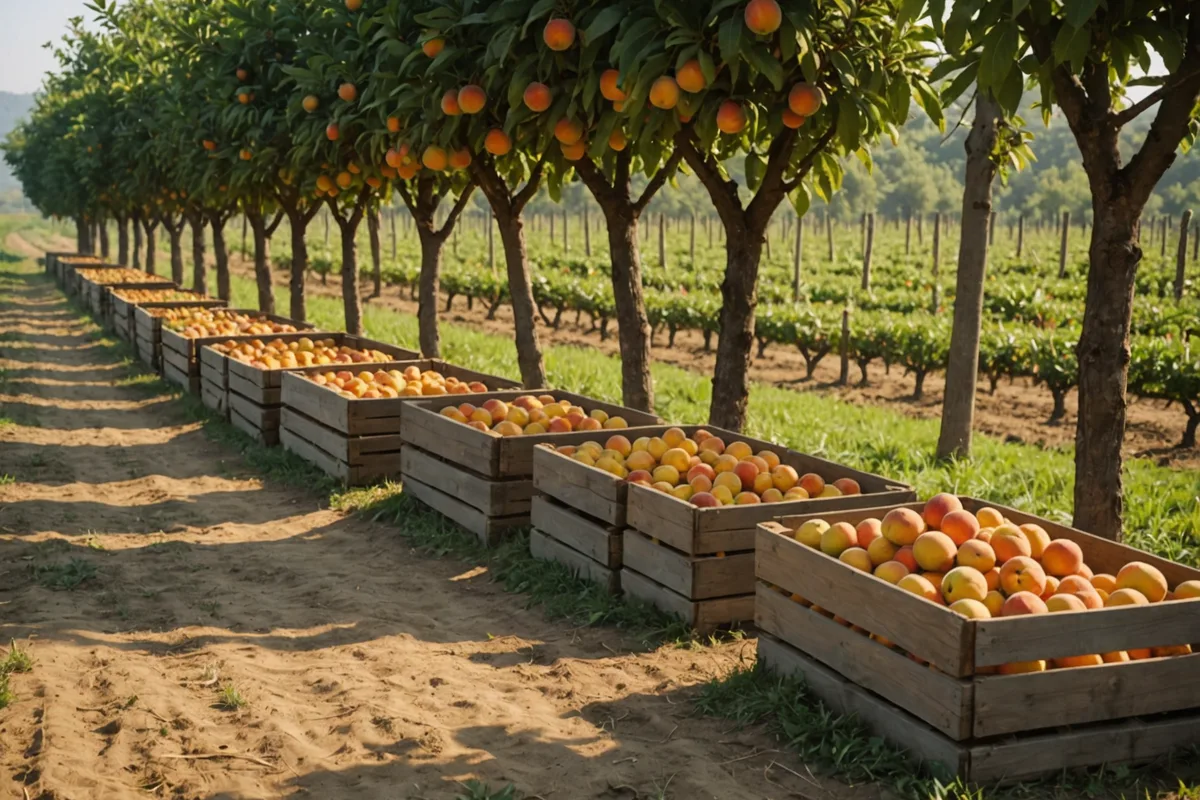
The Solution
A coating extends time. AI directs where it goes.
Our protein-wax hybrid coating creates a breathable barrier, slowing transpiration and balancing gas exchange without changing flavor or breaching food-safety standards. It is KFD-compliant and fully edible.
The AI routing layer takes sensor data from your current sorting line, rates each crate by expected shelf life, and produces a treatment order before the batch reaches the coating station. No hardware replacement is needed.
Explore the Product
How It Works
Scan to treated crate in under 3 minutes.
Three steps fit your current sorting line. The AI layer needs no added hardware.
Step 01
Scan
A camera or sensor reads each passing crate, recording its batch ID, weight, and surface-condition signals.
Step 02
Analyze
The AI model estimates each crate's remaining shelf life, then ranks treatment priorities before the batch reaches the coating station.
Step 03
Treat
Apply the food-safe coating to priority crates by dip, spray, or wax-roller, based on your line setup. Each crate takes seconds to treat.
Early Results
Pilot program results so far.
The AI prioritization stood out. We expected to coat every crate and see gains. Instead, it marked about 30 percent as high-urgency and the rest as standard. This focus lowered coating material cost significantly while outcomes improved across the shipment.
6.2 days
In our first commercial season, treated crates averaged 6.2 more days before visible spoilage first appeared, according to internal monitoring across participating facilities.
Internal pilot data, 2024 season. Results vary by crop type, transit distance, and handling conditions.
Technology
Food science meets field data.
Two integrated components: one physical, one digital. Both suit mid-scale packing house operations.
Coating
KFD-compliant, fully edible
Our protein-wax hybrid coating meets Korea Food and Drug Administration ingredient standards and leaves no taste impact from residue. Use it with dip, spray, or wax-roller line configurations.
AI Routing
Works with standard sensors.
The routing model connects to current sorting line sensors through standard data connectors. No proprietary hardware is needed. Each batch receives a real-time treatment priority list.
Forecasting
Shelf-life forecasts by crate.
The model predicts remaining shelf life for each crate, rather than averaging the batch. Your team can direct coating to crates most likely to spoil first, not the average crate.
Take part in the 2025-2026 commercial cohort.
We trial with growers and packers directly before any commercial commitment. Sample kits ship within 14 days of approval.